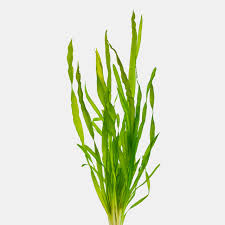
Description 1. Planting Plant in nutrient-rich substrate like aquasoil, fine gravel, or sand, ensuring the crown (where leaves meet roots) remains above the substrate to prevent rot. Plant in bunches or singly in the mid-ground or background of the aquarium, depending on desired effect. For better growth, root tabs and/or liquid fertilizers. 2. Lighting Corkscrew Vallisneria thrives in moderate to high lighting conditions (30-50 PAR). While it can tolerate low light, growth will be slower. High lighting promotes faster growth and vibrant leaf color. 3. Water parameters Temperature: 68°F – 82°F (20°C – 28°C). pH: 6.5 – 8.0, preferably slightly alkaline. Hardness: Soft to moderately hard (4-18 dGH). Water Flow: Moderate flow is ideal to deliver nutrients without damaging leaves. 4. Fertilization Corkscrew Vallisneria is a root feeder, absorbing most nutrients from the substrate. Root tabs are recommended for optimal growth, especially in inert substrates like sand or gravel. Liquid fertilizers containing essential micronutrients like potassium and iron can supplement root feeding. CO2 supplementation is not required but will enhance growth and leaf color. Caution: Vallisneria species can be sensitive to glutaraldehyde (found in some liquid carbon supplements), so be cautious with its use and follow instructions carefully. 5. Maintenance Regular trimming is necessary to prevent overcrowding and maintain desired appearance. Trim excessive growth with sharp scissors to prevent it from shading out other plants. Remove any dying or melting leaves at the base to prevent rot. 6. Propagation Corkscrew Vallisneria readily reproduces through runners, sending out new plantlets along the substrate. Allow new plantlets to develop roots and leaves before separating them from the mother plant. Plant separated runners or leave them attached to spread naturally. 7. Troubleshooting Melt: Melting leaves are common during acclimation to a new environment, but the plant will usually recover if roots are healthy. Yellowing leaves: May indicate iron deficiency or insufficient lighting. Red coloration: Can be caused by excessive light or nutrient deficiencies. 8. Additional tips Avoid burying the crown (where the plant stem meets the roots) in the substrate, as this can lead to rot. Corkscrew Vallisneria is compatible with peaceful freshwater fish and invertebrates, providing excellent cover and foraging grounds. It’s a great choice for tanks with herbivorous fish as its rapid growth can withstand occasional nibbling. It can even tolerate slightly brackish conditions. Be patient and provide consistent care, and your Corkscrew Vallisneria will thrive and create a beautiful, lush aquascape